
Acupuncture and Perinatal Mental Health: A Holistic Approach to Support

Perinatal mental health refers to a range of emotional and psychological challenges that can arise during pregnancy and the postpartum period. Anxiety, depression, and stress are common conditions many women face during this time. While traditional therapies like counselling and medication are valuable, acupuncture offers a complementary approach with unique benefits. In this blog, we’ll explore how acupuncture can support mental health during the perinatal period.
What Is Acupuncture?
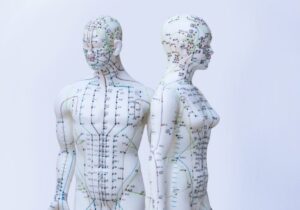
Acupuncture is an ancient practice rooted in Traditional Chinese Medicine (TCM) that involves the insertion of thin needles into specific points on the body, known as acupuncture points. These points correspond to energy channels, or meridians, which are believed to regulate physical, emotional, and mental balance. By stimulating these points, acupuncture can restore the body’s natural flow of energy (Qi), promoting health and wellness.
Perinatal Mental Health Challenges
The perinatal period, which encompasses pregnancy and up to one year postpartum, is a time of immense emotional and hormonal changes. Many women experience heightened stress, anxiety, depression, and sleep disturbances. Left unaddressed, these mental health issues can affect not only the mother’s well-being but also her bonding with the baby and the overall family dynamics.
Common perinatal mental health conditions include:
- Perinatal Depression: A mood disorder that can develop during pregnancy or after childbirth.
- Perinatal Anxiety: Persistent and excessive worry, sometimes accompanied by panic attacks.
- Postpartum Depression: A more severe form of depression that occurs after childbirth, impacting the mother’s ability to care for herself and her child.
How Acupuncture Can Support Perinatal Mental Health
Regulating Hormones
Acupuncture helps balance hormones by influencing the hypothalamic-pituitary-adrenal (HPA) axis, a central player in the body’s response to stress. This can lead to increased levels of endorphins (natural mood boosters) and a reduction in cortisol, the stress hormone. Hormonal balance is particularly important during pregnancy and postpartum, when dramatic shifts can trigger mood disorders.
Reducing Anxiety and Stress
Acupuncture has been shown to reduce anxiety and stress by activating the parasympathetic nervous system, the body’s “rest and digest” response. By encouraging relaxation and reducing stress hormones, acupuncture helps women manage the intense physical and emotional pressures of pregnancy and new motherhood.
Improving Sleep
Sleep disturbances are common during pregnancy and after childbirth. Acupuncture can help improve sleep quality by promoting relaxation and addressing underlying causes of insomnia, such as anxiety, hormonal imbalances, or physical discomfort.
Supporting Emotional Resilience
Acupuncture can boost emotional resilience by calming the mind and balancing the body’s energy. Specific acupuncture points are known to alleviate symptoms of depression and anxiety, enhancing overall emotional well-being. Many women report feeling more grounded and at peace after acupuncture treatments.

Enhancing Circulation and Reducing Physical Discomfort
Physical pain, such as back pain or pelvic discomfort, can contribute to mental distress. By improving circulation and relieving tension in key areas, acupuncture not only eases physical discomfort but also improves mental well-being by reducing stress and discomfort.
Holistic Approach
Acupuncture is a holistic treatment, meaning it considers both the physical and emotional needs of the patient. During pregnancy and postpartum, a woman’s body is in a delicate state of transformation. Acupuncture provides individualised care, addressing specific symptoms while enhancing the overall balance of the body and mind.

Puerperal Psychosis
While there is no direct evidence on acupuncture being used specifically for puerperal psychosis (a severe psychiatric condition postpartum), treatments that address stress, anxiety, and depressive symptoms—like acupuncture—may offer some support. Puerperal psychosis often follows severe postpartum depression, and addressing early mental health symptoms like depression and anxiety could be beneficial in preventing further deterioration.
Anecdotal reports and clinical observations suggest that acupuncture’s ability to reduce stress hormones, promote relaxation, and improve sleep can help regulate mood and may indirectly aid women at risk of psychosis. However, more rigorous research is needed in this area.
The Research Behind Acupuncture and Perinatal Mental Health
Studies have shown that acupuncture can be effective in treating perinatal mental health disorders. For example, research published in the Journal of Affective Disorders found that women who received acupuncture experienced a significant reduction in depression and anxiety symptoms compared to those who did not receive acupuncture. Additionally, a study in the British Medical Journal reported positive outcomes for women receiving acupuncture for postpartum depression, showing improvements in mood and overall well-being.
Safety and Considerations
Acupuncture is generally considered safe during pregnancy and postpartum when performed by a licensed practitioner experienced in pregnancy care. However, it’s important to ensure your acupuncturist is trained in treating perinatal conditions, as some acupuncture points are contraindicated during pregnancy.
Conclusion
Acupuncture offers a safe, non-invasive, and effective way to support women through the emotional challenges of pregnancy and the postpartum period. By regulating hormones, reducing stress and anxiety, improving sleep, and offering a holistic approach to health, acupuncture can be a valuable tool in maintaining mental well-being during this transformative time.
There is moderate evidence supporting the use of acupuncture for postnatal depression, particularly when combined with other therapeutic approaches. Its role in treating puerperal psychosis is less clear, but given its general mental health benefits, it could play a supportive role in reducing symptoms associated with postpartum mental health disorders.
For women seeking natural, complementary treatments for perinatal mental health concerns, acupuncture may provide the relief and balance they need to thrive during pregnancy and early motherhood.
See More On Acupuncture for Natural Fertility & Assisted Fertility
Research on the use of Acupuncture for Perinatal Mental Health

Study on Acupuncture for Depression During Pregnancy
A study published in Obstetrics & Gynecology in 2010 evaluated the effectiveness of acupuncture for treating depression during pregnancy. The study involved 150 pregnant women with major depressive disorder. The participants were divided into three groups: one receiving acupuncture specific to depression, one receiving general acupuncture, and one receiving massage therapy.
Results: The group receiving acupuncture specific to depression showed a significant reduction in depressive symptoms compared to the other two groups. About 63% of women in this group experienced at least a 50% reduction in symptoms, suggesting that acupuncture tailored to mental health can be an effective intervention for perinatal depression.
Reference: Manber, R., Schnyer, R. N., Allen, J. J., et al. (2010). Acupuncture for depression during pregnancy: a randomized controlled trial. Obstetrics & Gynecology, 115(3), 511-520. https://doi.org/10.1097/aog.0b013e3181cc0816
Effectiveness of acupuncture in postpartum depression: a systematic review and meta-analysis
A systematic review looked to assess the clinical effectiveness of acupuncture in the treatment of postpartum depression (PPD).
Results: Nine trials involving 653 women were selected. The result of this meta-analysis demonstrated that the acupuncture group had a significantly greater overall effective rate compared with the control group. Acupuncture appears to be effective for postpartum depression with respect to certain outcomes.
Reference: Li, S., Zhong, W., Peng, W., & Jiang, G. (2018) ‘Effectiveness of acupuncture in postpartum depression: a systematic review and meta-analysis’, Acupuncture in Medicine, vol. 36, no. 5, pp. 295-301.https://doi.org/10.1136/acupmed-2017-011530
Effect of Acupuncture on Pregnancy-Related Insomnia and Melatonin: A Single-Blinded, Randomized, Placebo-Controlled Trial
The aim of this study is to evaluate the efficacy and safety of acupuncture on sleep quality and overnight melatonin secretion, measured as urinary 6-sulfatoxymelatonin, in pregnant women.
Results: Acupuncture was shown to significantly improve the sleep quality in pregnant women, possibly through increasing melatonin secretion, and could be recommended as a low-cost and low-risk alternative treatment to pharmacological therapies.
Reference: Foroughinia, S., Hessami, K., Asadi, N., Foroughinia, L., Hadianfard, M., Hajihosseini, A., Pirasteh, N., Vossoughi, M., Vafaei, H., Faraji, A., Kasraeian, M., Doroudchi, M., Rafiee Monjezi, M., Roozmeh, S. & Bazrafshan, K. (2020) ‘Effect of Acupuncture on Pregnancy-Related Insomnia and Melatonin: A Single-Blinded, Randomized, Placebo-Controlled Trial’, Nature and Science of Sleep, vol. 12, pp. 271-278. https://doi.org/10.2147/NSS.S247628
Acupuncture for perceived stress in pregnant women: an intervention study
This study analysed the effects of acupuncture in the treatment of perceived stress in pregnant women.
Results: After the intervention, there was a significant decrease in the scores of the following scale items: being upset, inability to control, nervousness, tiredness, anger, and inability to overcome stress. The use of acupuncture to treat stress during pregnancy reduced the stress perceived by pregnant women.
Reference: da Costa, N., Silva Martins, E., Pinheiro, A.K.B., Soares, P.R.A.L., de Souza Aquino, P., & Castro, R.C.M.B. (2022) ‘Acupuncture for perceived stress in pregnant women: an intervention study’, Revista da Escola de Enfermagem da USP, vol. 56, e20210233. https://doi.org/10.1590/1980-220X-REEUSP-2021-0233en
Further References
Armour, M., Smith, C.A., Wang, L.Q., Naidoo, D., Yang, G.Y., MacPherson, H., Lee, M.S. and Hay, P., 2019. Acupuncture for depression: A systematic review and meta-analysis. Journal of Clinical Medicine, 8(8), pp.1140. https://doi.org/10.3390/jcm8081140.
Manber, R., Schnyer, R.N., Allen, J.J., Rush, A.J. and Blasey, C.M., 2004. Acupuncture: a promising treatment for depression during pregnancy. Journal of Affective Disorders, 83(1), pp.89-95. https://pubmed.ncbi.nlm.nih.gov/15546651/.
Sniezek, D.P. and Siddiqui, I.J., 2013. Acupuncture for treating anxiety and depression in women: A clinical systematic review. Medical Acupuncture, 25(3), pp.164-172. https://doi.org/10.1089/acu. 2012.0900.
Tan, Y., Duan, R. and Wen, C., 2024. Efficacy of acupuncture for depression: A systematic review and meta-analysis. Frontiers in Neuroscience, 18, 1347651