The Essential Guide to Vegan Nutrition During Pregnancy
Vegetarian and vegan diets are often seen as nutritionally challenging during pregnancy. Are they really a risk to mothers and their babies, or can they lead to healthier and happier pregnancies and children? Zinzino is here to help you make the best choices for yourself and your baby.
A happy, healthy mum makes for a happy, healthy baby. Let’s explore the best vegan nutrition during your pregnancy.
Nutrition and Pregnancy
A vegan diet during pregnancy must be well-planned and include a variety of healthy foods. Without proper planning, it might lack essential nutrients for your baby’s development.
So, what healthy foods can you eat during pregnancy? Do you need specific vegan supplements when pregnant? We’ve gathered all the information you need to adapt your vegan diet to suit your body’s evolving needs.
Maintaining a Vegan Diet During Pregnancy
There is evidence that vegetarian and vegan diets might increase the risk of nutritional deficiencies (e.g., proteins, iron, vitamin D, calcium, iodine, omega-3, and vitamin B12). However, recent research suggests that a well-planned vegetarian or vegan diet can be safe during both pregnancy and lactation. These diets are safe as long as mothers maintain a balanced and complete intake of crucial nutrients.
It’s often found that vegans experience fewer deficiencies due to their greater cautiousness and nutritional awareness. People on omnivorous diets might assume they get enough protein, which isn’t always the case. Vegan mothers are more aware of their food intake and more likely to eat a diverse and balanced diet. They ensure they consume plenty of legumes, lentils, beans, nuts, seeds, fruits, and vegetables daily.
Foods to Eat: Nutritional Needs During Pregnancy
It’s recommended to eat a wide variety of legumes, lentils, beans, nuts, seeds, and vegetables.
A great tip is eating frequent, small meals that are easy to digest (salads, soups, stews, stir fry, smoothies). Some swaps could include lentils for mince and tofu for steak.
Here are some healthy foods to keep you and your baby bursting with energy throughout your pregnancy for each commonly found deficiency:
Iron:
Good sources of iron for vegan diets include pulses, dark green vegetables, wholemeal bread and flour, nuts, fortified breakfast cereals (with added iron), and dried fruit.
Vitamin B12:
Vitamin B12 is vital but challenging to add to plant-based diets. A natural source of this vitamin for vegan diets is yeast extracts. Otherwise, you need supplements or fortified foods with added B12 such as breakfast cereals, unsweetened soya drinks, and nutritional yeast flakes.
Vitamin D:
From early spring to autumn, most pregnant mothers (depending on where they live) should get sufficient vitamin D from sunlight. Vitamin D is found in a limited number of foods, so it’s ambitious to ingest enough from foods alone. Vegan food sources of vitamin D include foods fortified with vitamin D, such as some breakfast cereals and spreads, as well as vegan dietary supplements. Using supplements to avoid vitamin D deficiency is highly recommended during pregnancy and throughout life, especially in regions with less sunlight during winter. There are several vegan vitamin D supplements available.
Calcium:
For your nutritional needs during pregnancy, include dark green leafy vegetables, pulses, brown and white bread, fortified unsweetened soya, pea and oat drinks, calcium-set tofu, sesame seeds, tahini, and dried fruit in your vegan meal plans.
Iodine:
Iodine can be found in plant foods, such as cereals and grains, but at varying amounts depending on the soil’s iodine richness where the plant was grown. Vegans may want to consider taking an iodine supplement or eating foods fortified with iodine, such as iodised salt or some plant-based drinks.
Omega-3:
Omega-3 fatty acids are abundant in a variety of plant foods. Vegan omega-3 sources include walnuts, flaxseeds, chia seeds, hemp seeds, edamame, seaweed, and algae. Other green leafy vegetables and beans also contain minimal amounts and should be part of your diet.
Benefits of DHA, Omega-3 in Pregnancy
Omega-3 support is essential during all stages of growing a baby: from conception to pregnancy and beyond. It is vital not only for egg and sperm quality but also for the uterine environment. Omegas are involved in energy production, vitamin absorption, and hormone production (including neurotransmitter production). They influence the integrity of every cell in our body and assist with our immune system and eye health. During embryo growth, omegas are crucial for supporting neural tissue development.
Omega-3 fatty acids have significant benefits for pregnancy itself. Higher levels of EPA and DHA are known to reduce chances of preterm labour and delivery, lower the risk of preeclampsia, and may contribute to increased birth weight, making it critical to find good sources of omega-3.
Naturally-Occurring Vegan DHA, EPA and Omega-3 Sources
The three main omega-3 fatty acids are alpha-linolenic acid (ALA), eicosapentaenoic acid (EPA), and docosahexaenoic acid (DHA). Different food sources are necessary for each type of omega-3. Plant oils such as flaxseed, soybean, and canola oils are rich in ALA.
Marine foods are essential for plant-based diets, as they provide one of the only non-fish based, vegan sources of EPA and DHA omega-3s. Algae, spirulina, nori, and chlorella are all forms of seaweed rich in omega-3 fatty acids. Although EPA and DHA are found in the same foods and work side by side in the body, studies show that they each provide unique positive effects.
Zinzino: Vegan Supplements for Pregnancy
Research suggests that Western diets have a 10:1 (some papers state a 25:1) ratio of omega-6:3 ratio. Need help figuring out if you need to start taking supplements? How do vegans absorb sufficient levels of omega-3 without eating fish?
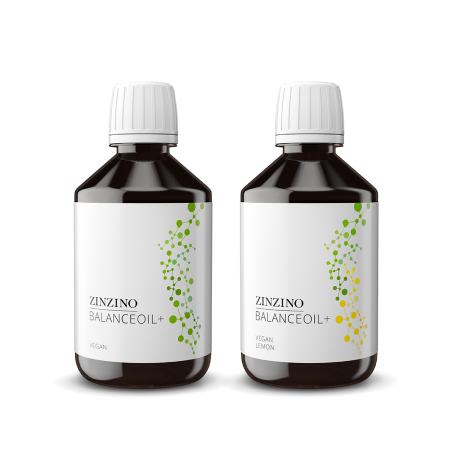
Taking a dried blood spot test to check your omega-6:3 ratio is the first step. If you need vegan omega-3 supplements for pregnancy, Zinzino’s BalanceOil+ Vegan is keto-friendly, non-GMO, and made from naturally sourced ingredients. It’s a marine microalgae oil (with algae health benefits) high in omega-3s (EPA, DHA, and DPA). It features echium seed oil that is rich in omega-3s (SDA and ALA) and the omega-6 GLA. BalanceOil+ Vegan provides 2,800 mg of omega-3s per 12ml. It wonderfully complements plant-based sources of omega-3.
Zinzino also offers a natural food supplement to top up your vitamin D levels throughout the year. ZinoShine+ combines vegan vitamin D3 in its most bioactive form from wild-harvested lichen and broad-spectrum magnesium. The supplement offers easy-to-customise dosing based on the season and your current personal needs as determined by their Vitamin D Test.
If you have any doubts, talk to your midwife or doctor about how you can get all the nutrients you need for you and your baby.
And remember:
- Stay hydrated (aim for 30 ml of water per kilo of body weight).
- Eat organically (or, if you are unable to, shop at local farmer’s markets).
- Stress less (you are doing a fabulous job—remember that. Take a moment to appreciate yourself, your wonderful body, and the world around you).
For more information on vegan omega-3 supplements, visit my store.